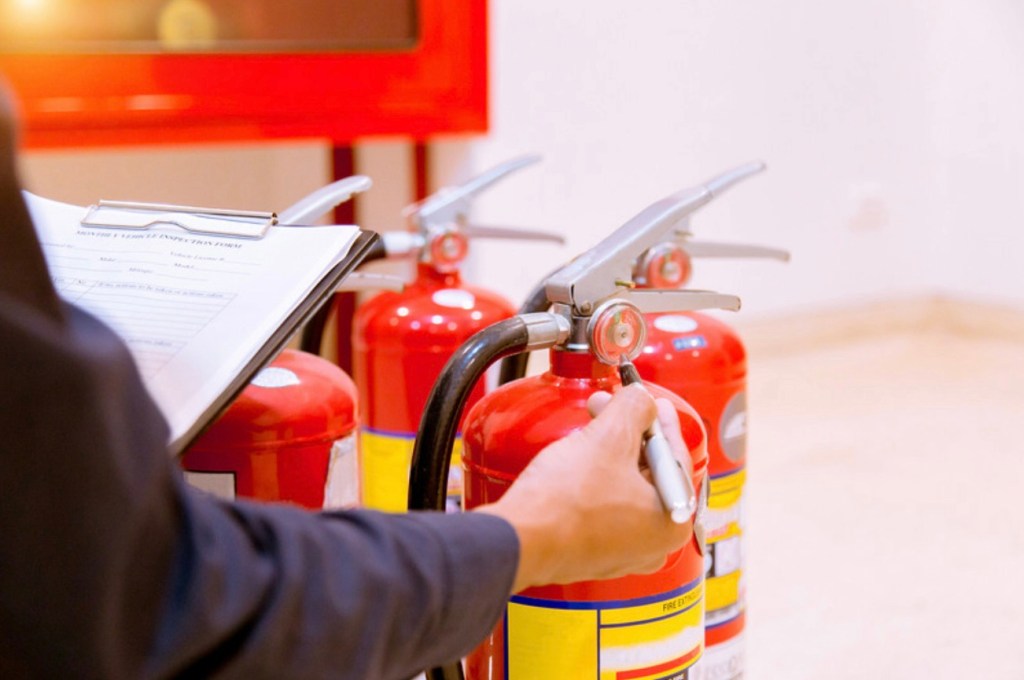
When it comes to fire safety, one size does not fit all. Different types of fires require specific fire extinguishers designed to combat the unique challenges each fire presents. As a candle lover and someone who appreciates aroma therapy with oils, it’s crucial to understand the class system of fire extinguishers and which one to use for oil fires and candles. Let’s dive into this essential knowledge to keep our homes safe.
Understanding the Class System:
Fire extinguishers are categorized into classes based on the type of fire they are designed to combat. These classes are labeled with letters:
- Class A: Fires involving common combustibles like wood, paper, fabric, and plastics.
- Class B: Fires fueled by flammable liquids, such as gasoline, oil, and cooking oils.
- Class C: Fires caused by electrical equipment, like appliances and wiring.
- Class D: Fires that involve combustible metals, often found in industrial settings.
- Class K: Fires that occur in commercial kitchens, typically involving cooking oils and fats.
Choosing the Right Extinguisher for Oil Fires and Candles:
- Class B Fire Extinguisher: For oil fires, including those from cooking oils and fats or oil lamps, a Class B fire extinguisher is your best choice. These extinguishers use agents like foam or carbon dioxide to smother the fire and cut off its oxygen supply. They are highly effective against oil-based fires and are also suitable for flammable liquid fires, making them versatile for home use.
- Class K Fire Extinguisher (Optional): If you have a commercial-grade kitchen with deep fryers or other oil-based cooking equipment, consider investing in a Class K fire extinguisher. They are specifically designed for cooking oil fires and are highly effective in these situations. However, they are typically not necessary for most home environments.
- Fire Safety Practices for Candles: While candles are not typically associated with Class B fires, it’s essential to remember some key safety practices:
- Keep candles away from flammable materials like curtains, paper, or decorations.
- Use candleholders that are sturdy and won’t tip over easily.
- Never leave burning candles unattended.
- Keep candles out of the reach of children and pets.
- Extinguish candles before leaving the room or going to sleep.
Maintenance and Preparedness:
Regularly check your fire extinguishers to ensure they are in working condition. This includes inspecting the pressure gauge, confirming the safety pin is intact, and ensuring there are no visible signs of damage or leakage.
Additionally, educate yourself and your family on how to use a fire extinguisher correctly. The PASS method is an excellent guideline: Pull the pin, Aim at the base of the fire, Squeeze the handle, and Sweep from side to side.
In conclusion, fire safety is paramount when enjoying candles and oil-based products in your home. By understanding the class system of fire extinguishers and selecting the appropriate one for oil/wax fires, you can help ensure the safety of your loved ones and your cherished moments of candlelight. Stay safe and enjoy the cozy ambiance responsibly!


 PeachWicks
Leave a comment